
PAWSitive Beginnings: Part Two
The Role of Socialization in Puppy Development
Part One can be found in the summer 2024 edition of PAW Quarterly.
In our first article on the role of socialization, we dove into many of the genetic elements in play before deciding to bring a puppy into our lives. While genetics take the largest chunk of the pie when it comes to predicting adult behaviours, there are lots of ways we can help our puppies grow to be the best they can be.
The ideal socialization window is from the time we get our puppy home until approximately 16 weeks.
By five months, puppies are moving into adolescence and starting a new host of biological changes. Before five months -preferably by four months- is the time to introduce them to things that will become important parts of their lives as they advance.
THERE ARE MANY THINGS TO KEEP IN MIND
Fear Periods
Most puppies go through some type of fear period sometime between 7-12 weeks of age, which can be quite difficult if it’s happening at the same time as they head to their new homes. During a fear period, puppies are overly sensitive -based on their temperament- to novel new things. Very confident puppies may only spend a day noticing sounds they never heard, or jumping up if something spooks them. More sensitive puppies may hide, shake, guard, or avoid situations they previously enjoyed. Fear periods can last 1-2 days to more than a week. They can also be very prone to one-event-learning, which means that something even mildly traumatic during a fear period can stay with them for their whole life. It’s important during a fear period, that exposure to novelty is limited to reduce the chance for one-event learning. Some puppies may come into another fear period near the end of the socialization period.
Positive Experiences: At Home and in the World
As puppies are still updating their shots, you will need to ensure they are both safe, but also socialized. When we are looking to socialize our puppies, we can divide activities into things we can do at home and things we do out of the home.
From there, we want to ensure our socialization is positive! Positive does not mean that the dog is always joyous, bouncing and engaging. Positive simply means that the dog is comfortable in their interactions and not pushed to engage or interact.
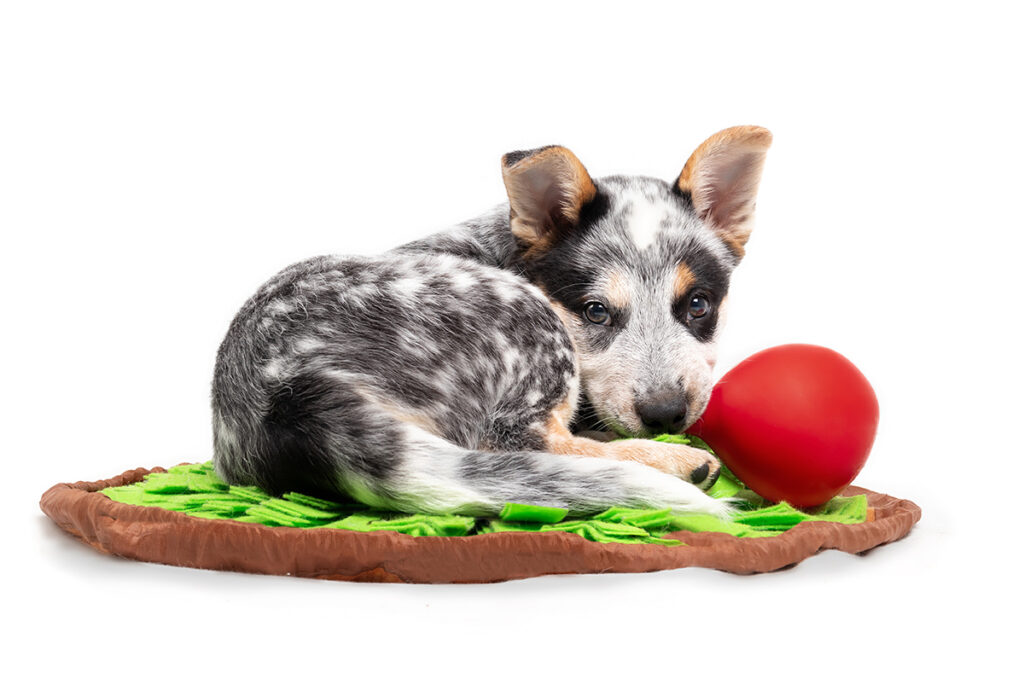
It is up to each puppy -not their people- to decide if an experience is positive for them or not. We can only set-up our socialization to minimize the chance of a poor experience.
Exposure NOT Interaction
When we are socializing puppies, one of the biggest mistakes people make is they feel the need for their puppy to directly interact with dozens of people and dogs. Socialization is not interaction -though it plays a role-. Socialization is exposure to the world around you and should focus on the areas of life your dog will need to navigate as an adult. Exposure allows the dog to watch and acclimate to new environments. If you think of your puppy as an adult, you likely don’t want a dog who bombs around on the end of their leash looking for people to jump on our dogs to run around with.
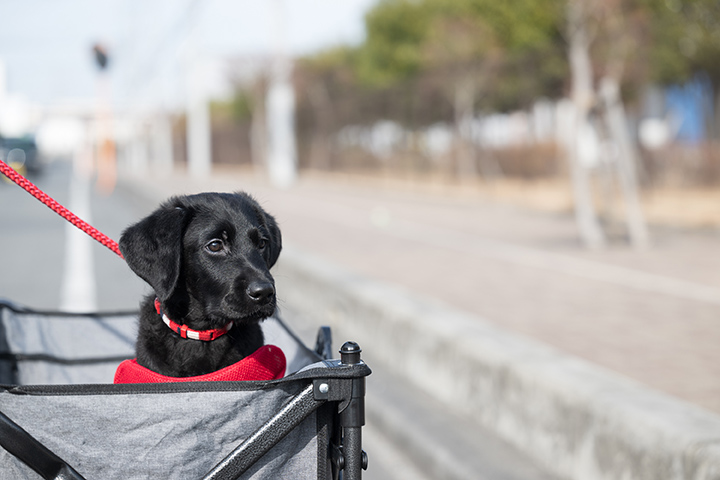
Teaching your puppy that most of the time they are only interacting with you in an environment, helps them bond with you and leads to fewer instances of difficult behaviours such as leash-reactivity.
Of all the socialization: watch but don’t touch, is the best base we can give our puppies.
Realizing there’s a Spectrum
It’s important to know each puppy (and the dog they grow into) has their strengths and weaknesses. While we might never make a very shy puppy exceedingly outgoing, we can work towards our puppy growing into the least shy version their genetics may be capable of.
Socialization Needs to be Tailored
Socialization is not a one-size-fits-all situation. Focusing on the quality of your socialization versus the quantity is often the best way, both for your puppy and for your own anxiety! We never get things completely right, so take that weight off your shoulders. You -and your puppy- are going to do the best you can.
Focus on the Socialization Elements that Matter Most to You
Instead of focusing exclusively on your puppy, now is the time to consider all the situations and environments your dog will need exposure and confidence in, as an adult.
Some basics of socialization: being comfortable in a crate -at some point in your puppy’s life they will likely need one-, car-rides -even farm dogs will likely need to see the vet-, exposure to various people who are staples in your life and grooming.
From the basics, instead of moving through a checklist, focus your attention on the key areas that matter to YOUR home.
If you want your dog to be more likely to accept new visitors, they should be socialized well with people coming into their home in the early weeks. If you are a dog sport home, you take your puppy with you to the agility trials, or flyball tournaments, so they get used to that environment.
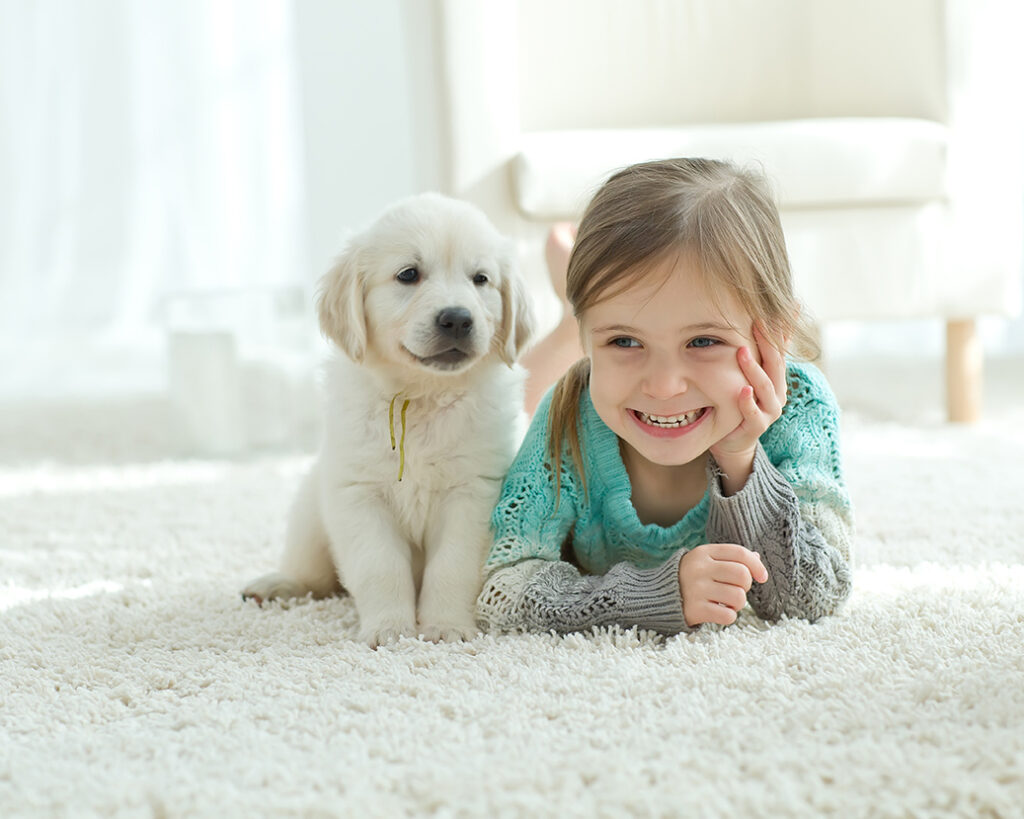
If you want to have kids at some juncture in your dog’s life, find a way to expose them to young children both inside and outside your home during the socialization period.
You might not be able to do it all, but you can stack the odds in your favour.
Take it Day by Day
Puppies develop quickly! Sometimes an experience that is positive one day, does not seem positive the next. Look for signs of stress such as licking lips, yawning, shaking, tucked tail, avoiding interaction, and hiding behind your legs -to indicate it’s time to give the puppy a break or remove them altogether. From there, don’t take it personally! Puppies grow quickly and can be tired, have a big brain growth day, or are simply a bit overwhelmed. It’s our job to protect our puppies. Don’t leave them in situations that cause them hardship.
Some puppies are up for daily socialization. Others need break days in between. Although the socialization window is short, it’s important not to try to cram as much as you can in, at the expense of the dog’s emotional state. Socialization is about helping dogs feel COMFORTABLE. If they are not comfortable, we are not socializing them in a way that’s good for our puppies and risk making them more fearful as adults.
Teaching your puppy that most of the time they are only interacting with you in an environment, helps them bond with you and leads to fewer instances of difficult behaviours.
No Guarantees
One of the difficult things about socialization is that you can do EVERYTHING well, and still have a dog with problems. Even as a professional for 15+ years, I’ve had a puppy, who came off a farm, and was outside of being somewhat stand-offish, was a rather normal puppy. When he got to 5-6 months, he hit an extreme fear period and became a very fearful adolescent. Although some of it waned, he was still an extremely fearful adult dog. He wasn’t a bad dog, but even professional socialization did not overshadow his genetics.
As much as the Internet likes to tell us “It’s all in how you raise them”, we’re only a piece of the puzzle. So, take your time, enjoy your puppy and do the best you can, without fear that you’re screwing it all up.
The most wonderful thing about dogs, is they don’t care how bad we are at something, they are going to love us unconditionally anyway.


