
When Our World Began to Blur
Our unexpected journey with juvenile cataracts.
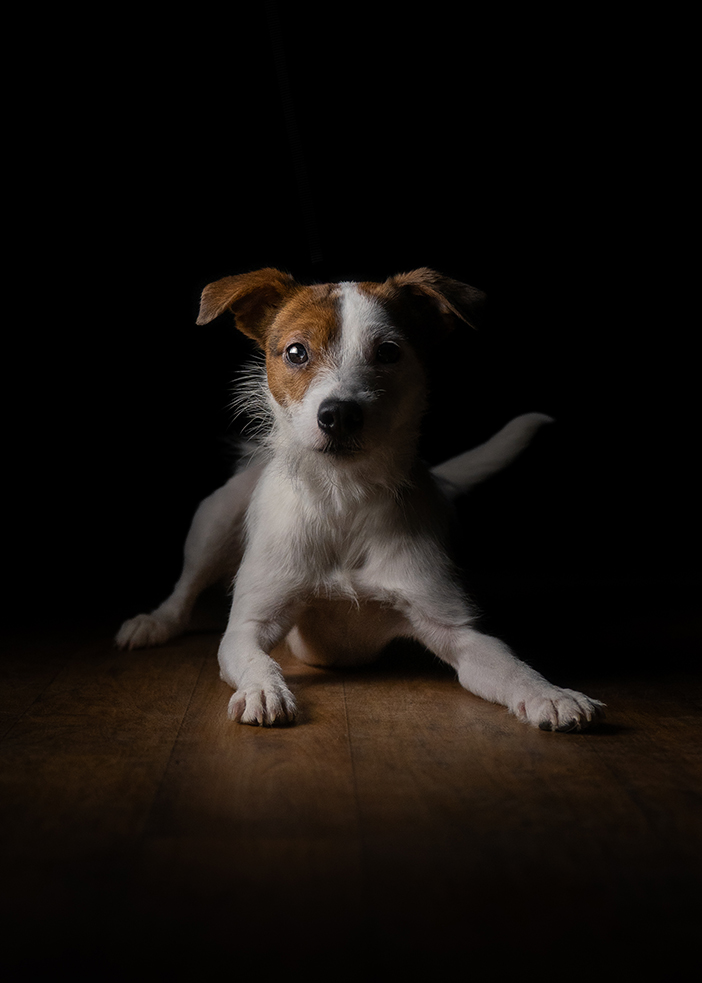
Photo by: Lianne Matieshin Photography
Back in 2017, I was just beginning to explore the world of dog sports, experimenting with nosework and agility alongside a non-traditional breed. These activities became a lifeline during the COVID-19 pandemic, keeping us engaged and active. Then, in the summer of 2021, a friend introduced me to the opportunity to welcome a sport-bred puppy into our lives. That’s when Mazikeen, a spirited Jack Russell mix, joined our family—my first dedicated sport dog.
Shortly after we welcomed her into our home, we were invited to observe a flyball practice. The energy, teamwork, and sheer joy of the sport instantly drew us in. That moment marked the start of our dog sport journey—a path filled with excitement, growth, and some unexpected hurdles along the way.
I had no idea juvenile cataracts were even a thing. Like many dog owners, I assumed cataracts were an age-related condition—something that crept in during a dog’s senior years. So when my young dog Mazi began scratching at her eyes in the fall of 2022, we assumed it was allergies. She was just over a year old.
We treated her for environmental and food-related allergies, but the scratching worsened. Her skin became irritated, and she was losing hair around her eyes from the scratching. Concerned, we returned to the vet for further testing. That’s when a tiny cataract was discovered in one of her eyes. The veterinarian suspected she was born with it because it was so small and she was so young. We decided to monitor it and check it again at her yearly wellness exam.
Early Signs
From November 2022 onward, we managed her eye irritation and continued participating in dog sports. Mazi was active in NAFA flyball, SDDA nosework, and had just started training for barn hunt. She debuted in flyball in April 2023.
Looking back, there were some signs. In flyball, she often tried to grab the ball from the returning dog instead of running to the box. We thought it was a behavioral quirk, but later suspected she couldn’t see the end of the lane. Her mechanics—jumps and box turns—were fine, aside from typical technique tweaks when training a new dog. Nosework and barn hunt didn’t raise concerns since they rely on scenting more than sight.
At home, she struggled to find toys visually, but she had always buried them in blankets and searched them out, so we didn’t see it as unusual. She was occasionally clumsy, bumping into furniture or our other dog during play. We assumed she was just excited and not looking where she was going. I eventually began to notice that her eyes looked different in certain lighting at different training facilities, as did a couple of other people, but it was subtle—just fleeting glimpses. I knew her eyes were starting to look different, but I never expected that the cataracts would form as fast as they did.
Diagnosis and Shock
In summer 2023, during a routine mobility check for sports, I asked the veterinarian to examine her eyes. Without any advanced testing, it was clear: cataracts were forming. We had her eye pressure checked and were referred to the Small Animal Clinic at the University of Saskatchewan to consult with the Ophthalmology team. Fortunately, we were able to get in within six weeks, but it felt like forever.
The diagnosis was devastating. In just six months, her condition had progressed from a tiny cataract in one eye to nearly complete blindness. The ophthalmology team confirmed a fully mature cataract in one eye and a near-mature cataract in the other. She was considered a good candidate for surgery and was scheduled for the last available slot for the year, at the end of October.
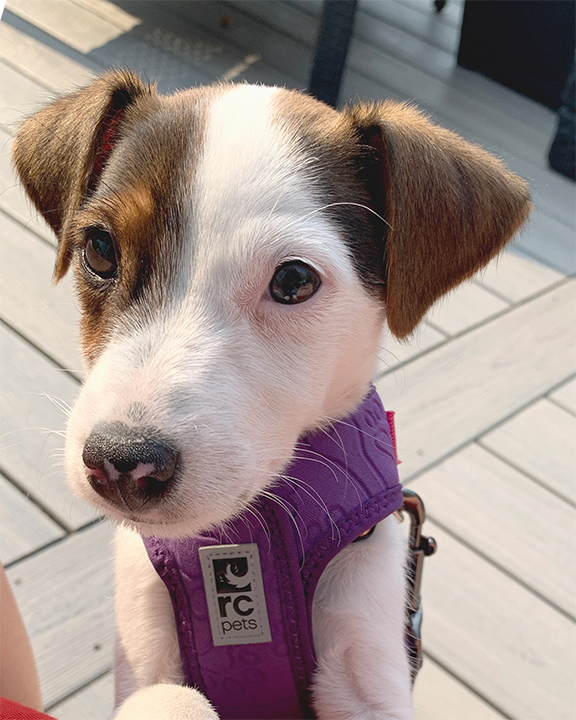
Baby Mazikeen around 8 weeks old.
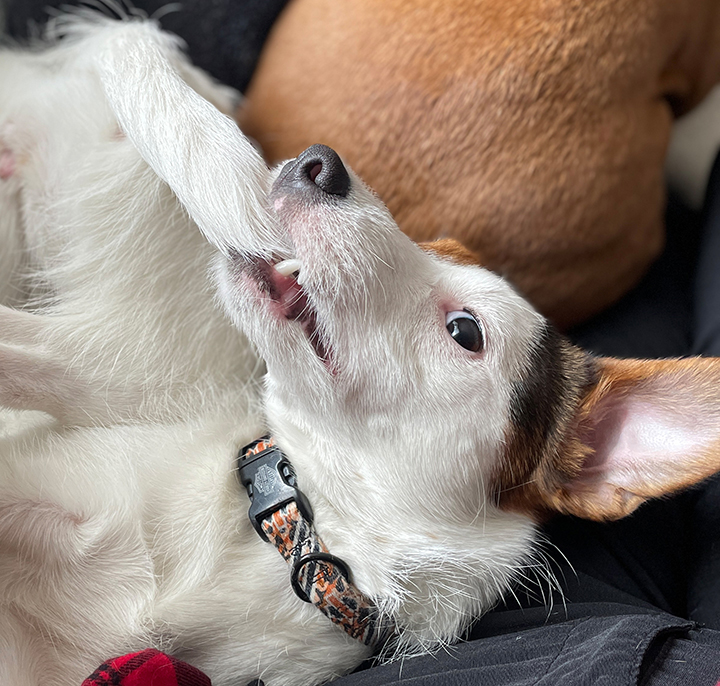
Young Mazi at 8 months old.
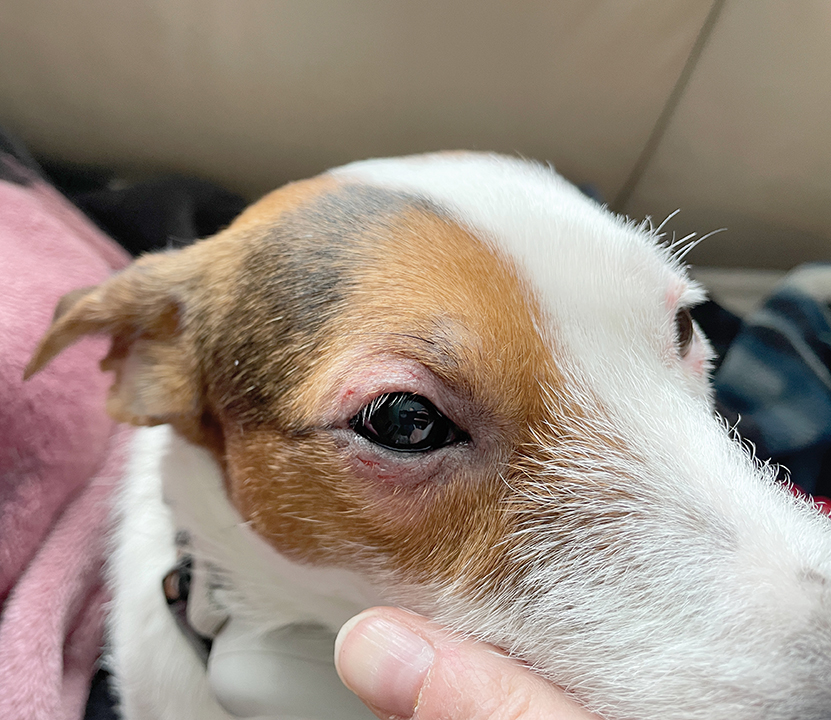
Began scratching at her eyes and a tiny cataract was first diagnosed.
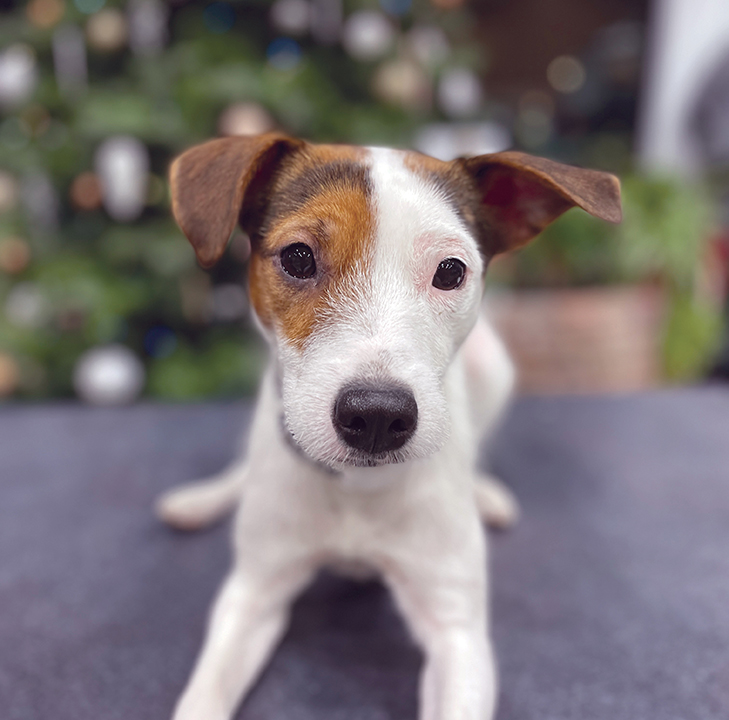
Treating her eye irritation with the plan to monitor the cataract at her annual wellness exams.
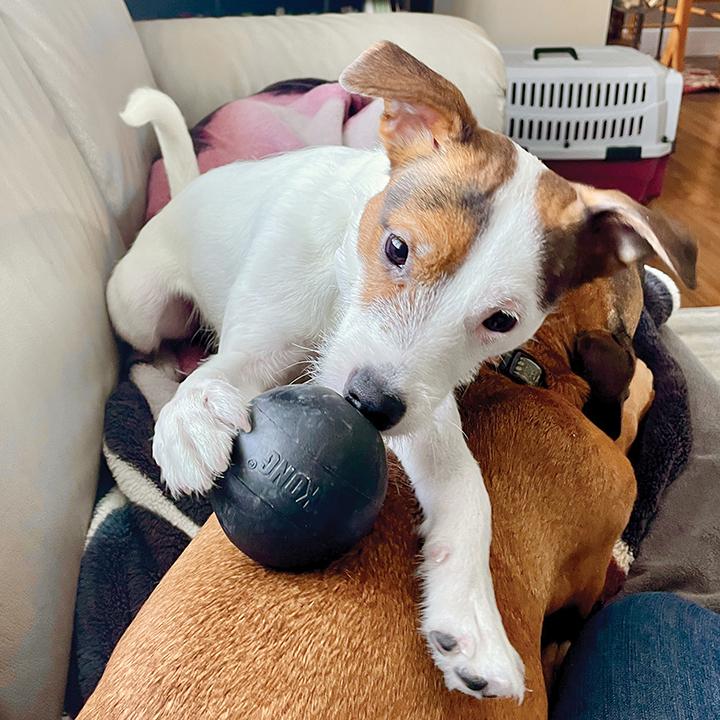
No obvious signs and no real beahvioural changes.
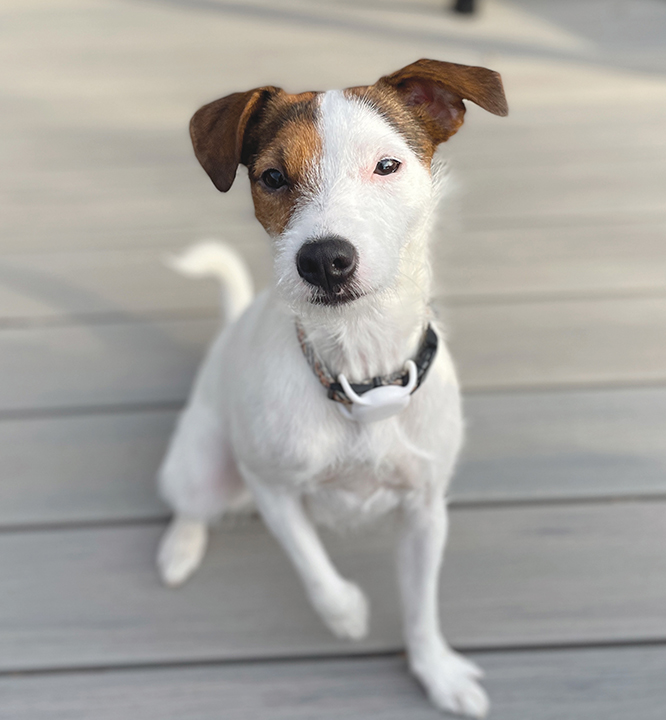
Starting to notice changes in behaviour and slight differences in the appearance of her eyes.
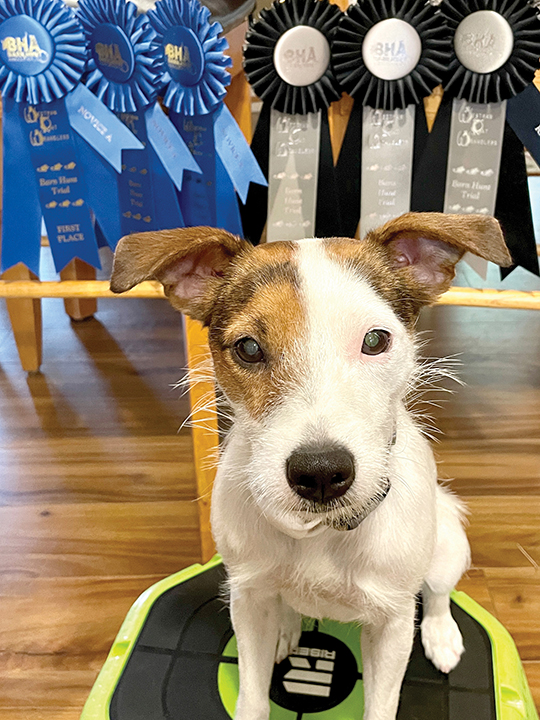
Despite being diagnosed with a mature cataract in the right eye and an almost mature cataract in the left eye, she competed in her first barn hunt trial.
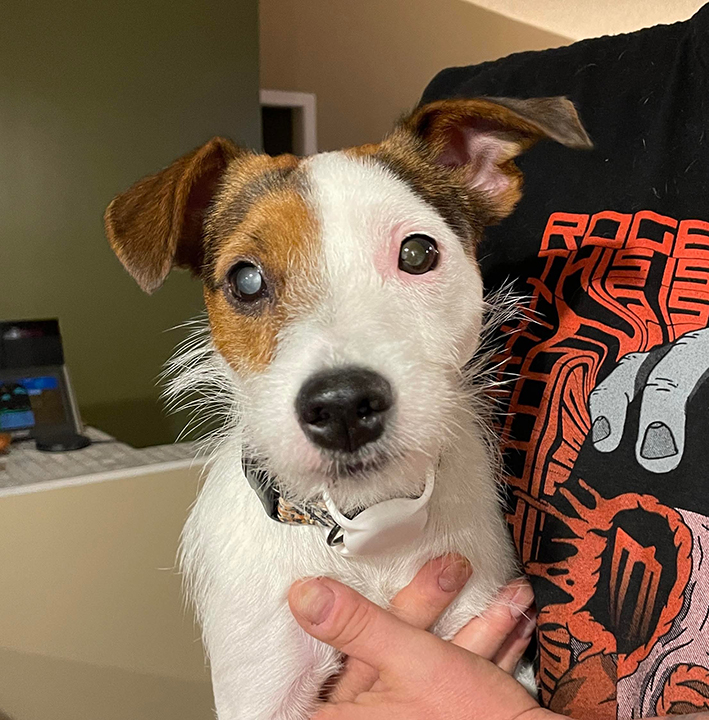
Took a break from dog sports and almost at our surgery date.
Emotional Toll and Final Competitions
This news hit hard. Mazi was our first serious sport dog, full of energy and love for flyball. We couldn’t let her go blind, and we wanted to give her the best chance possible, considering her young age. But the fear of surgery—of complications, of losing her eyes, of losing her—was overwhelming. We didn’t know if she would be able to continue with flyball after surgery, but that didn’t matter, and we had to try to give her her eyesight back.
Her last flyball tournament before surgery was in July 2023. A friend’s compliment about her performance triggered an emotional reaction. Mazi was doing well, but I was struggling. Watching her miss the ball on the box and get disoriented was heartbreaking. Not knowing if it was going to be her last flyball tournament was difficult as well.
With support from our club, we made it through the tournament, and she even subbed for another team due to an injury and had a blast.
Before surgery, she earned her RATN title in barn hunt and competed in one last nosework trial, missing her advanced title by just one hide—human error, of course. The judge was confident she would’ve earned it otherwise.
I just wanted to keep everything as normal and fun as possible, and didn’t want her loss of sight to stop her from doing anything. We even tried doing just run backs during flyball practice, but when called, she turned around and went through the legs of the person holding her to grab the ball off the box before she came back to me. She wasn’t going to let anything stop her.
After the nosework trial in September, we took a break from all dog sports while we waited for her surgery.
The Surgery and Recovery
We travelled to Saskatoon for her pre-surgery checkup on October 23, 2023. She was cleared for surgery for the next morning, and we were sent off with a cone and several medications—mostly eye drops and an oral med to begin immediately. The medications to be administered to her for the next few months post-surgery included anti-inflammatory eye drops, oral anti-inflammatory tablets, antibiotics and anti-glaucoma eye drops, an eye lubricant, and a mild sedative to be used as needed.
The cataract removal and lens implants were a success. The surgeon ended up having to cut the outside corners of her eye lids because the area was too small for them to work in, so she had a single stitch on the outside of each eyelid as well as on the cornea of both eyes, but she did great and we took her back to the hotel to begin the series of eye drops that we had to start giving her 4 times per day, 5 minutes between each medication, with gradual tapering over the weeks through her recovery.
When we returned to the hotel, she just stared at us like she was seeing everything for the first time again. Even though her cataracts developed quickly, it’s amazing how she just adapted to her reality. We had started an anti-inflammatory eye drop a couple of months prior to surgery, so it wasn’t entirely new to her, but her medication administration was now going to be a 30-minute process four times a day. She handled it great, and of course, there were lots of treats involved. It was like she knew that the eye drops made her eyes feel better.
The next morning, at the 24-hour re-check, the Ophthalmology team discovered that there was vitreous leakage through the stitches where the incisions were made in the cornea of her eyes. They explained that her eyes would not heal properly if they didn’t fix this, so they had to do another surgery that morning to re-suture the incisions. The second surgery was successful, and once it was safe for her to leave, we took her home. Re-check appointments were scheduled at 48 hours, 1, 3, and 6 weeks, 6 months, and 1 year.
During the second week post-surgery, we started to notice this white line forming vertically across her eye. It was subtle at first, but it began to be more pronounced and even looked like it was starting to pool downward. Once it became obvious that something was wrong, we took photos and sent them to the Ophthalmology team for review. The white line across her eye had us quite worried, so we ended up going to Saskatoon for our next re-check exam. Overall, she was doing well, and her corneal incisions looked good. She was seeing well, but she did have a fibrin clot in her left eye, which was the result of inflammation. Mazi was sedated, and a tissue plasminogen activator (TPA) injection was administered in the left eye to treat fibrin buildup. Within hours, the clot was gone.
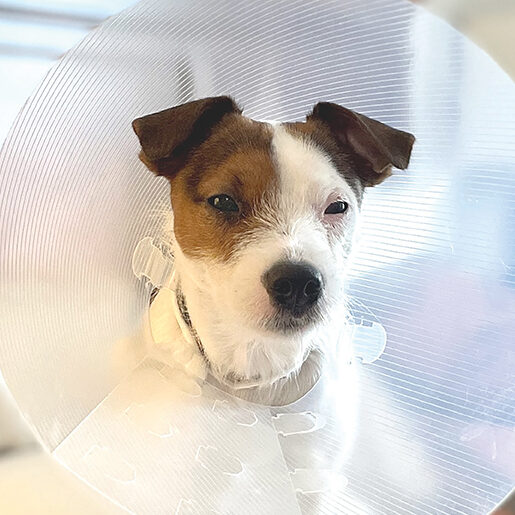
The night before surgery where we started the series of eye drop medications that would be a 30 min. process four times per day.
At the 24hr check up they found they needed to do a second surgery due to vitreous leakage and need to re-suture the incisions for her to heal properly. She was taken home after the second surgery.
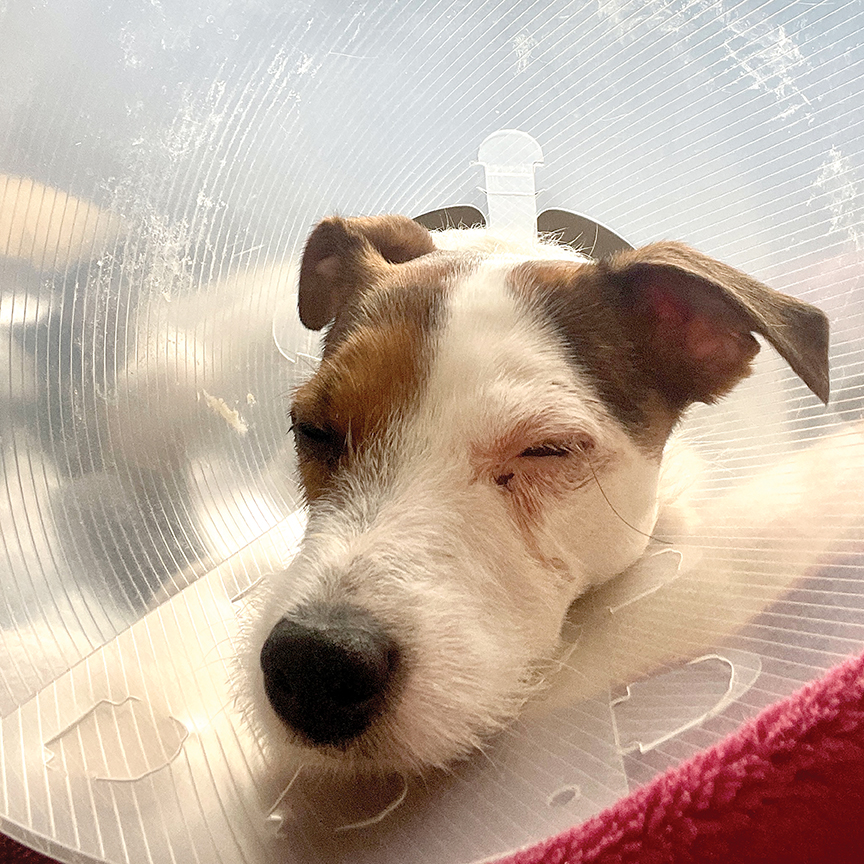
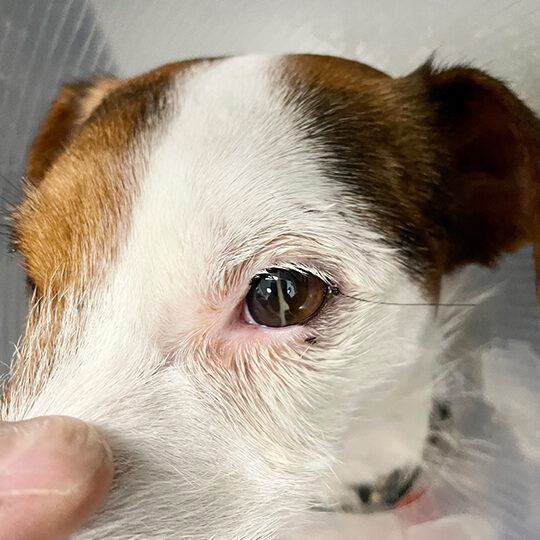
A week post-surgery, she developed a fibrin clot due to inflammation. She was taken back to Saskatoon to be sedated and given an injection to break up the clot. The stitches at the outer corners of her eyes were removed at this time.
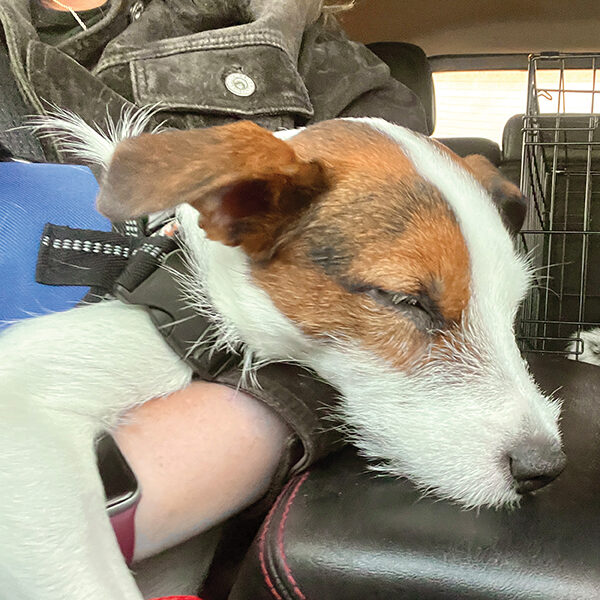
Responsive but still quite sedated on the drive home after the Tissue Plasminogen Activator (TPA), clot-busting injection procedure.
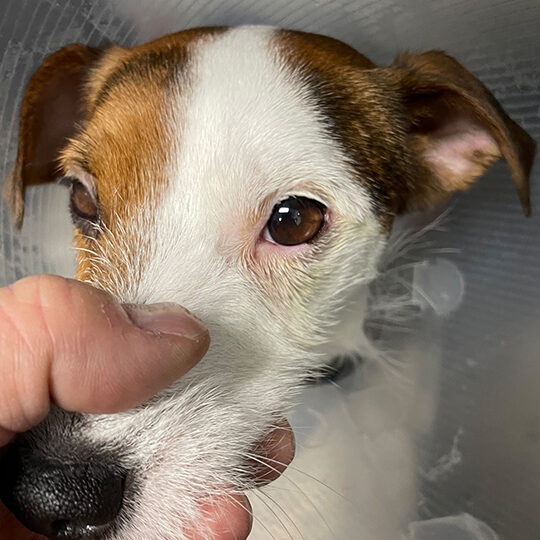
Within hours after the TPA injection, the clot had dissipated and the sedation had worn off.
From that point on, her checkups at 3 and 6 weeks, 6 months, and one year post-surgery went well. As of our last appointment this past summer, Mazi is seeing well, and the specialists are not concerned about her at all. We continue to apply anti-inflammatory eye drops twice daily and will do so for the rest of her life, along with yearly eye checkups with the Ophthalmology team in Saskatoon.
Mazi got the green light to return to dog sports, and we happily rejoined our flyball team that spring after her surgery. Though the first few weeks brought some post-op challenges, she responded beautifully to treatment—thanks to her resilience and our unwavering care. Ongoing checkups have kept her vision sharp and her comfort steady. She’s now back to doing everything she loved before cataracts slowed her down. Flyball, her absolute favourite, feels like we never missed a beat.
These days, our biggest concern isn’t her health—it’s keeping up with her mischievous streak!
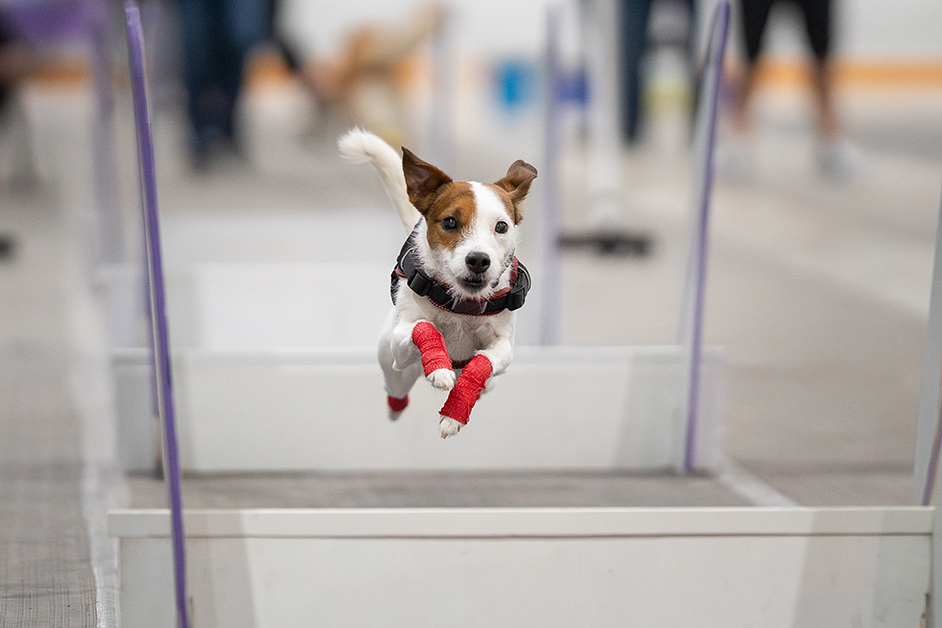
Sport photography credit: Lianne Matieshin Photography


