Comfort & Cooperation
A path to confidence and trust through body handling desensitization.
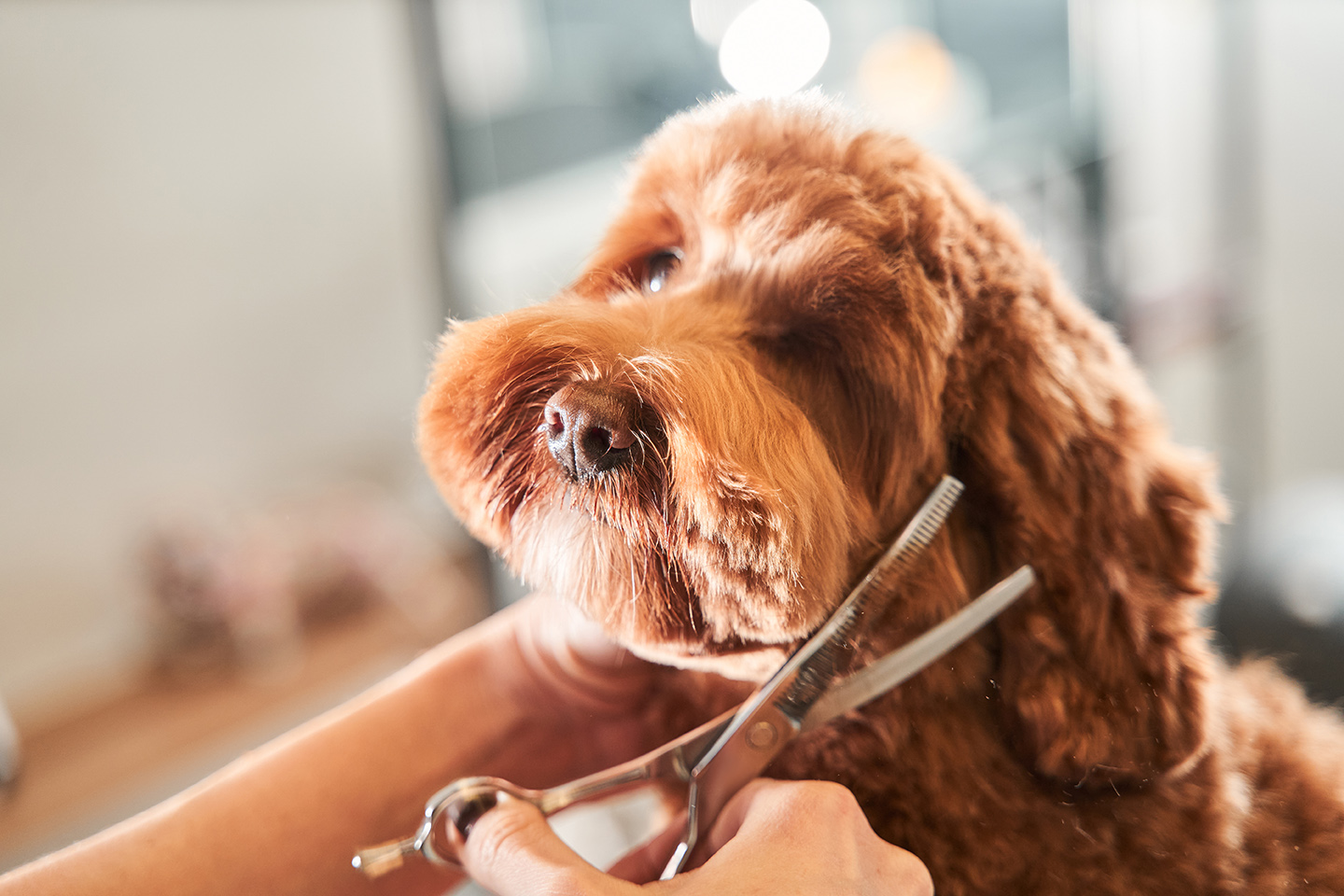
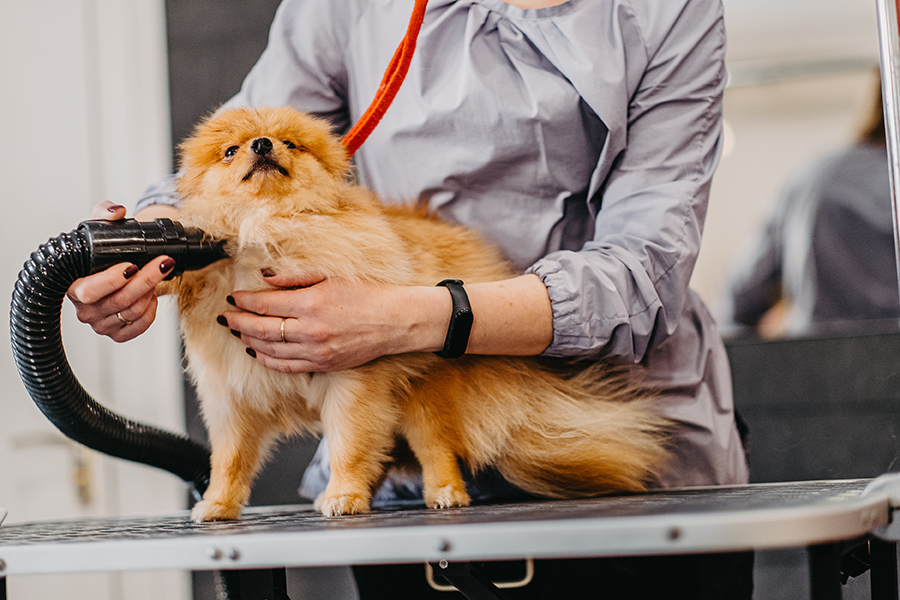
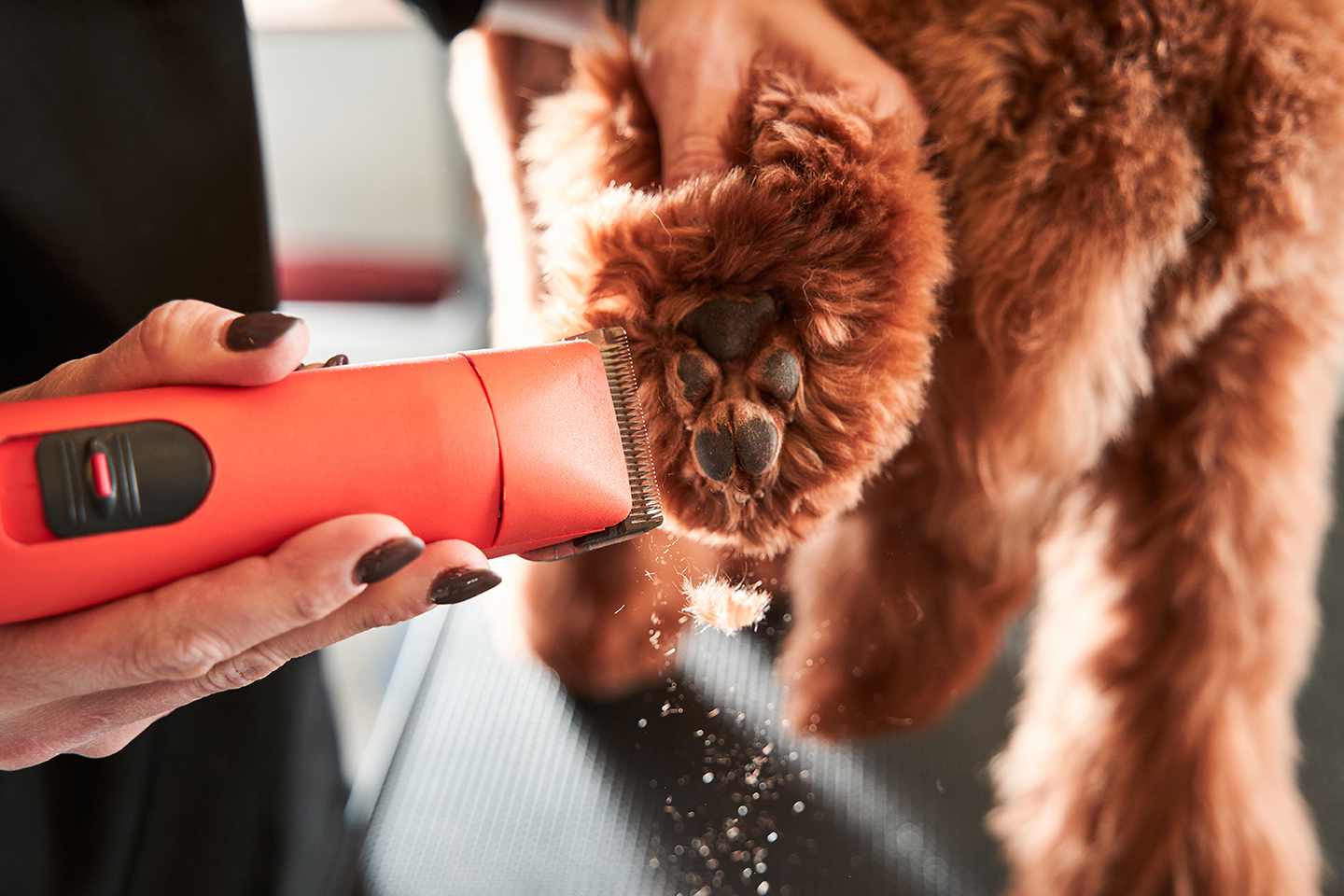
Pet owners often struggle with knowing their furry friend doesn’t seem to love going to the “spa” for bathing, haircuts, or nail trims like they think they should. The reality is, that even regular grooming appointments can be stressful for pets, especially if leaving home only means separation from their people and potentially uncomfortable procedures. The good news is this doesn’t have to be the case, but changing your pet’s view of grooming sessions (or veterinary visits) will take time and careful training!
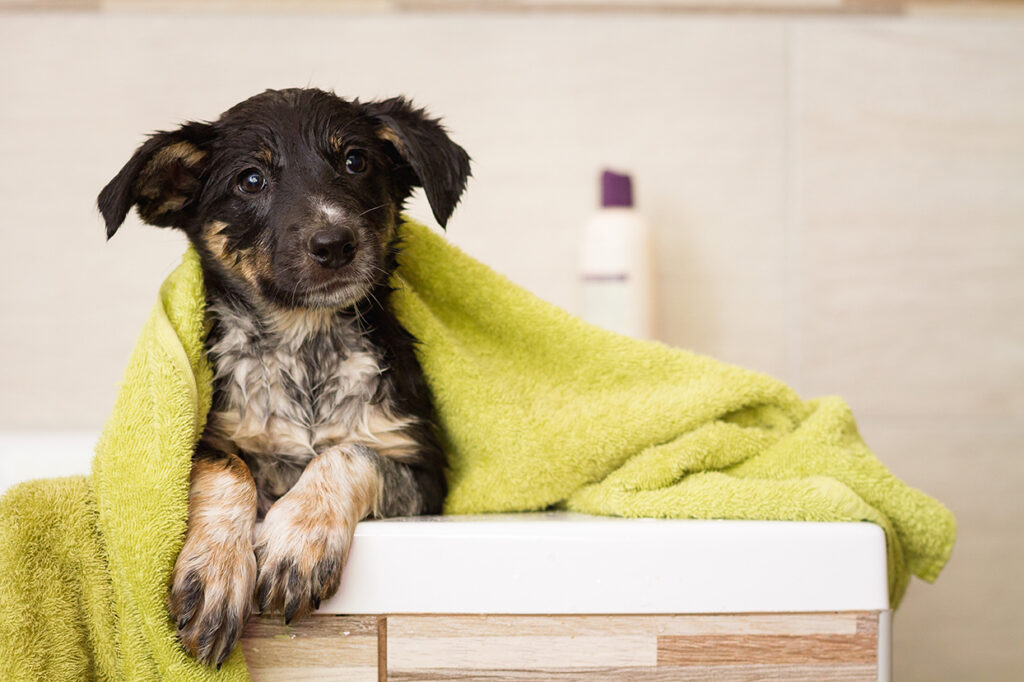
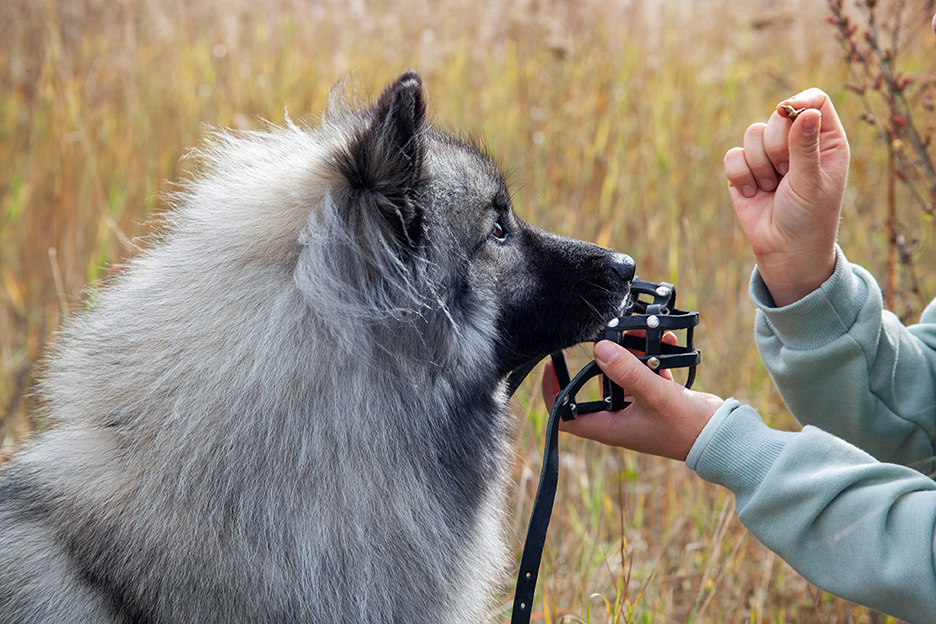
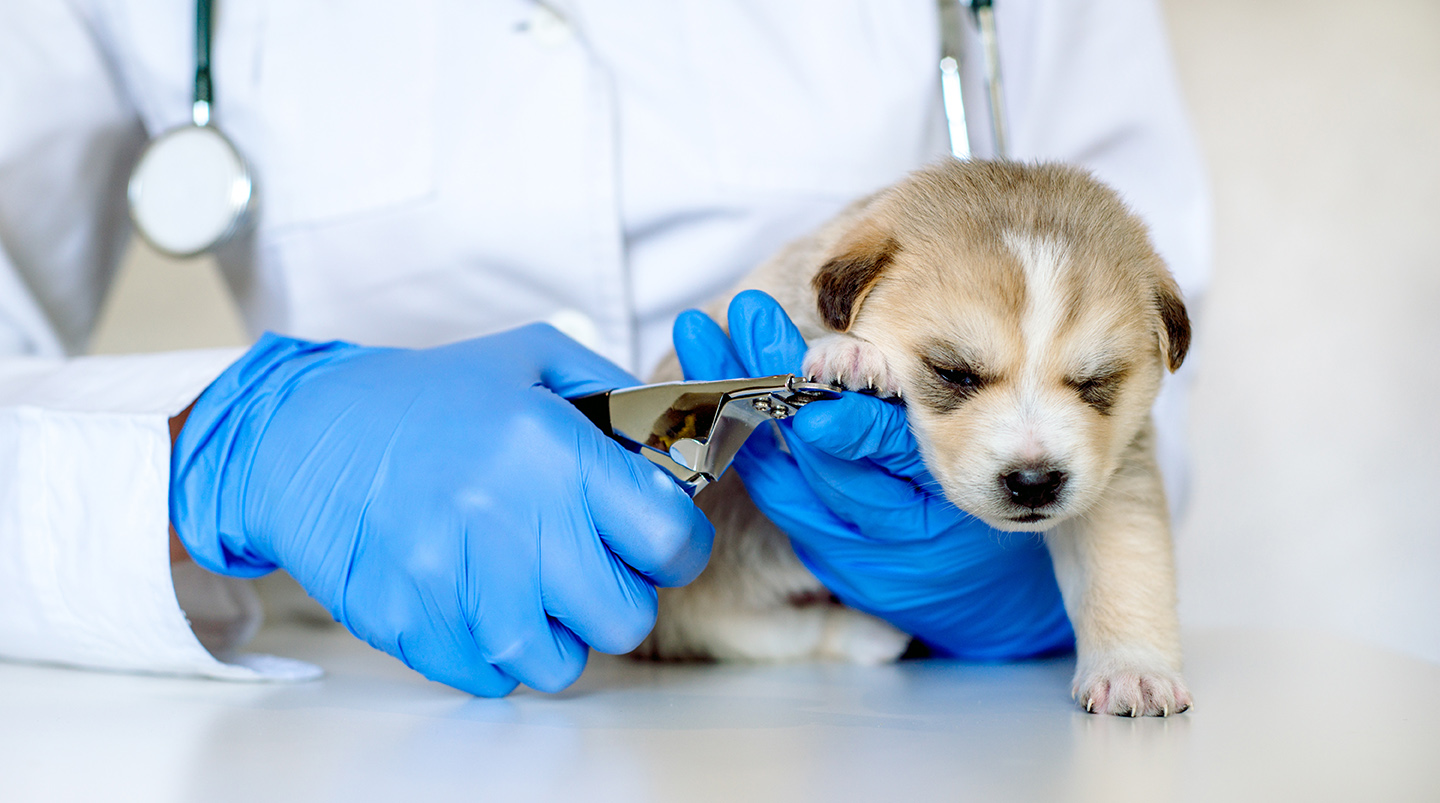
Puppies and kittens should start experiencing various handling, including nail trims or dremels, brushing, and even some clipping when appropriate, from a very young age. Sometimes this early exposure has been lacking for one reason or another, but older dogs and cats can still learn to accept or even look forward to these things too. It should be noted that acclimation to crating/vehicle travel and even muzzling is also important to this process, as pets who don’t feel good upon arrival at the groomer or vet aren’t going to want to accept treats, or even be touched to begin with!
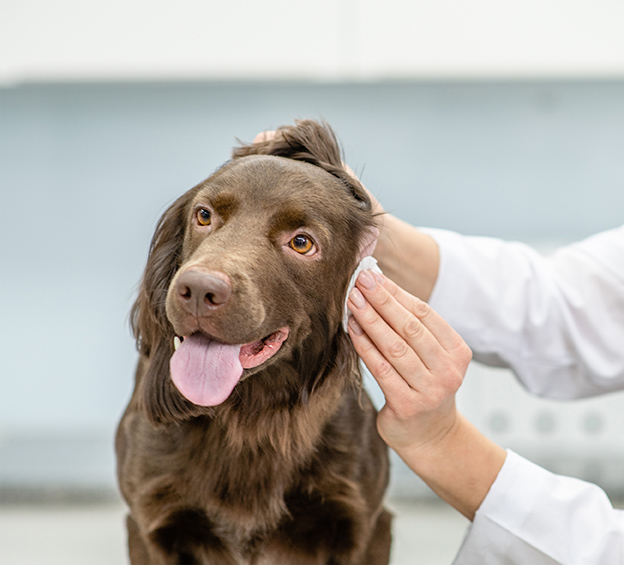
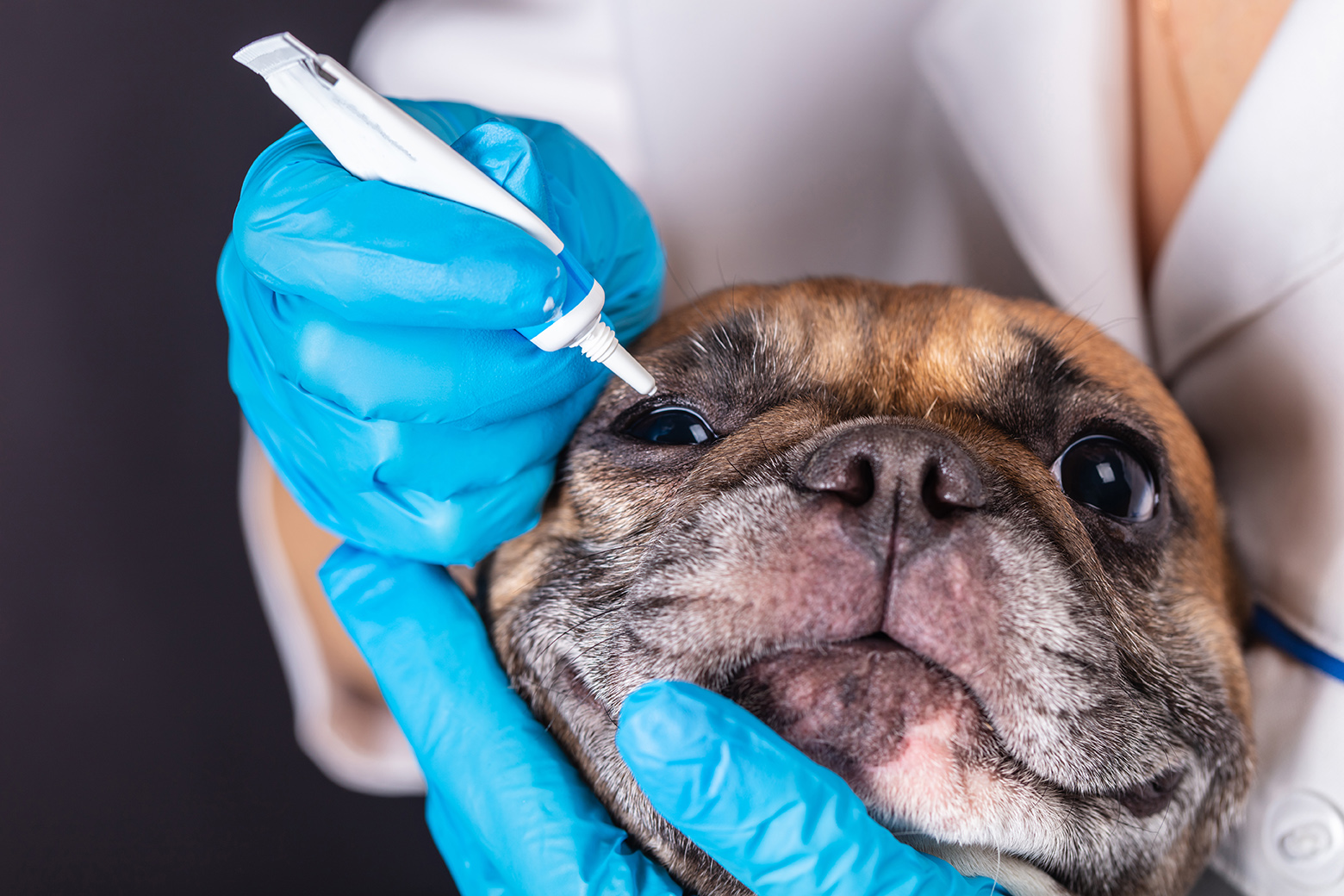
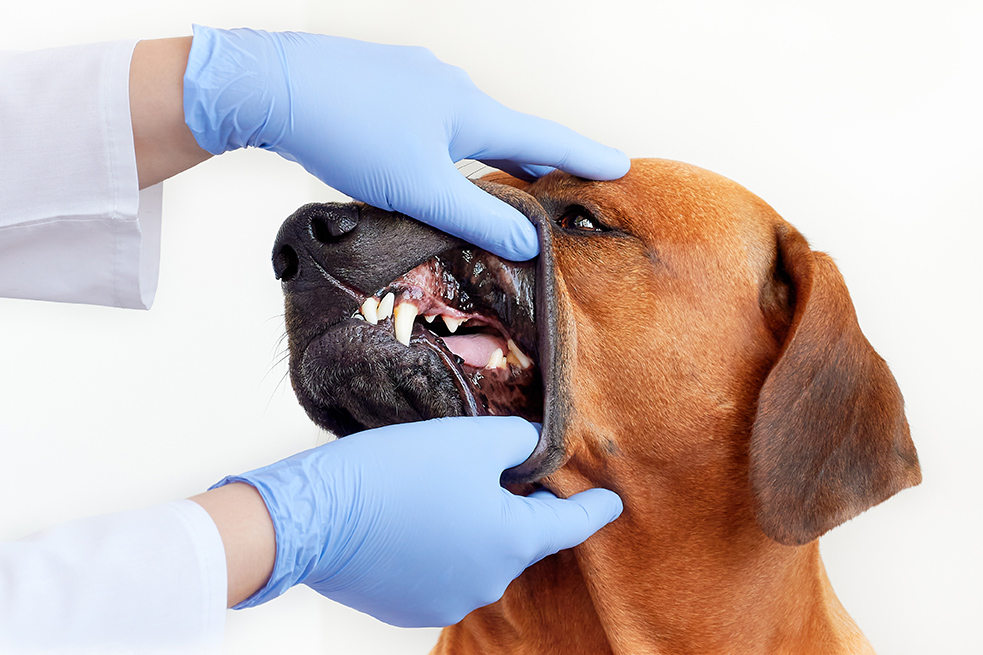
If you want to help your pet be more comfortable with grooming or veterinary care, start with short sessions at home. Have a quiet, elevated, non-slip space set up in advance for times when you feel like training, and note when your pet is likely to be calmer and a bit hungry to help plan when to start. You’ll want to gently inspect your pet’s body as they allow it (including their mouth, ears, eyes, legs, toes, tail, bum, etc.). You can offer small, tasty treats during these sessions as positive reinforcement, or use a lick mat to help distract your pet.
As time goes on you can up your criteria to include things like brushstrokes, the sensation of nails being tapped by nail clippers, cotton swabbing the ears, having a vibrating toothbrush handle run all over to simulate a clipper or dremel, et cetera. Be aware that some pets may benefit from having a second handler to help steady them, especially for three-legged stands when you lift each leg, as it can be challenging for pets to hold certain positions. Just take it slow and try to end on a good note, but if your pet starts to stress, don’t be afraid to stop and take a break!
For more advanced help, you can look into subjects such as Cooperative Care (Deb Jones), Crate Games (Susan Garrett), and The Muzzle Up! Project (Maureen Backman), all of which can be found online. Pets who have serious behaviour concerns may need you to work one-on-one with a professional trainer familiar with those programs, or your vet paired up with a veterinary behaviourist. That said, if you stick with it, all of this training has the potential to really help your pet take more invasive handling in stride!