
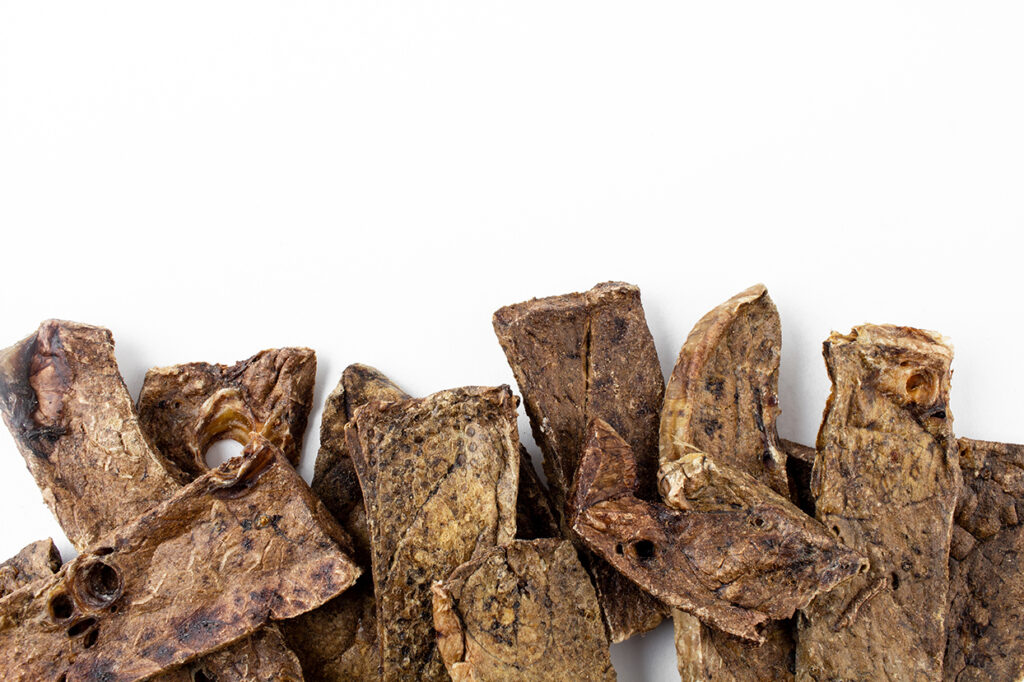
FREEZE-DRIED: Raw… or Rawish?
One of the most misunderstood words in the pet food industry right now is “Raw”. Raw inspired. Raw coated. Raw infused. Unless it’s frozen and living in a freezer, it’s not raw. If the product is stored at room temperature, it has been processed to be shelf-stable. So where does that leave freeze-dried?
Freeze-dried food is not raw, but it is still something worth getting excited about.
Other shelf-stable pet food options use heat in the manufacturing process. Kibble is cooked at extremely high temperatures. Dehydrated food is dried using heat. Canned food is cooked inside the can. Heat is fast, cheap, and efficient, but it also destroys a significant portion of the nutrients in the original ingredients, which is why synthetic vitamins and minerals get added back in after the fact.
WHAT IS FREEZE-DRIED?
Freeze-drying is different. The process removes moisture through a long, slow vacuum process at freezing temperatures. No heat. Not a single degree of it. The food is frozen first, then the moisture is drawn out while it is frozen, which is why it becomes light, shelf-stable, and crunchy without ever being cooked.
That makes freeze-dried the only shelf-stable pet food option that does not require heat to manufacture. Making it the second-best option behind fresh-frozen raw, and the second least-processed food we can put in our pet’s bowl.
WHAT IS RETAINED?
Freeze-dried food retains approximately 95% of the nutrients from the raw ingredients. Proteins, enzymes, vitamins, and minerals that would be damaged or destroyed by cooking are largely preserved through the freeze-drying process.
Freeze-drying concentrates the flavour by removing all that moisture, which makes the food roughly 50 times more flavourful than the original ingredients. This is why our pets like it so much. It is not a trick or an additive. It is just incredibly concentrated, real food.
When adding different options to the bowl, replace some of the existing meal to avoid overfeeding.
FREEZE-DRIED VS DEHYDRATED: WHAT’S THE DIFFERENCE?
Food is dehydrated by using low heat over a long period of time. It is a gentler process than cooking, so it’s still a good option, but when heat is involved, some nutrient loss still occurs.
Freeze-dried doesn’t use heat at all. That is the key distinction. If you are ever trying to decide between the two, freeze-dried wins on nutrient retention every single time.
WHO IS IT FOR?
Generally, a full freeze-dried diet is not recommended for pets over 10 pounds. It can become a very expensive diet very quickly. On the other hand, freeze-dried as a topper is one of the best upgrades you can make, regardless of your pet’s size. A small amount goes a long way. The concentrated flavour means even a light sprinkle makes a bowl more appealing, and the nutrient density means you are adding genuine value without needing a large quantity to make a difference.
HOW TO USE FREEZE-DRIED AS A FOOD TOPPER
There are two ways you can serve freeze-dried as a food topper. Try both and let your pets vote with their enthusiasm.
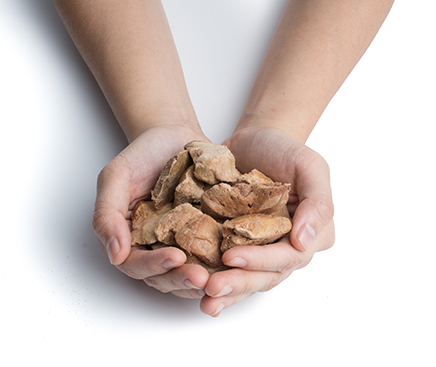
1 Serve it dry by simply crumbling it over the bowl. This adds crunch, flavour, and nutrients to their bowl. Most pets love the texture contrast and will eat their entire bowl just to get to the good stuff.
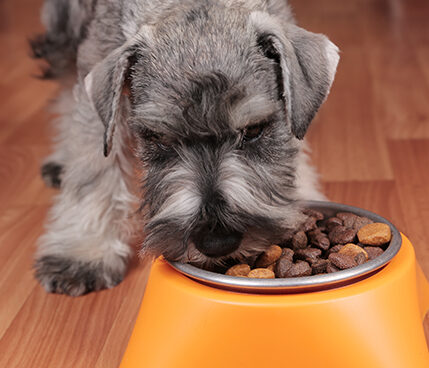
2 Rehydrate it by adding bone broth or warm water, and let it sit for a few minutes. Rehydrating brings the food closer to its original texture and adds a little extra moisture to the meal.
Rehydrating is a great option for older pets, pets with dental sensitivities, or any pet who needs a little extra encouragement to eat. If you’re feeding freeze-dried as a meal, you always want to rehydrate it.
Freeze-dried is not raw. But it is the next best thing, and it is genuinely one of the most nutrient-dense, flavourful, and least processed options available on a shelf today.


