
ROUGH & TUMBLE WITHOUT THE TROUBLE
Playtime is essential for a dog’s physical and mental well-being, but ensuring that it’s also safe is just as important.
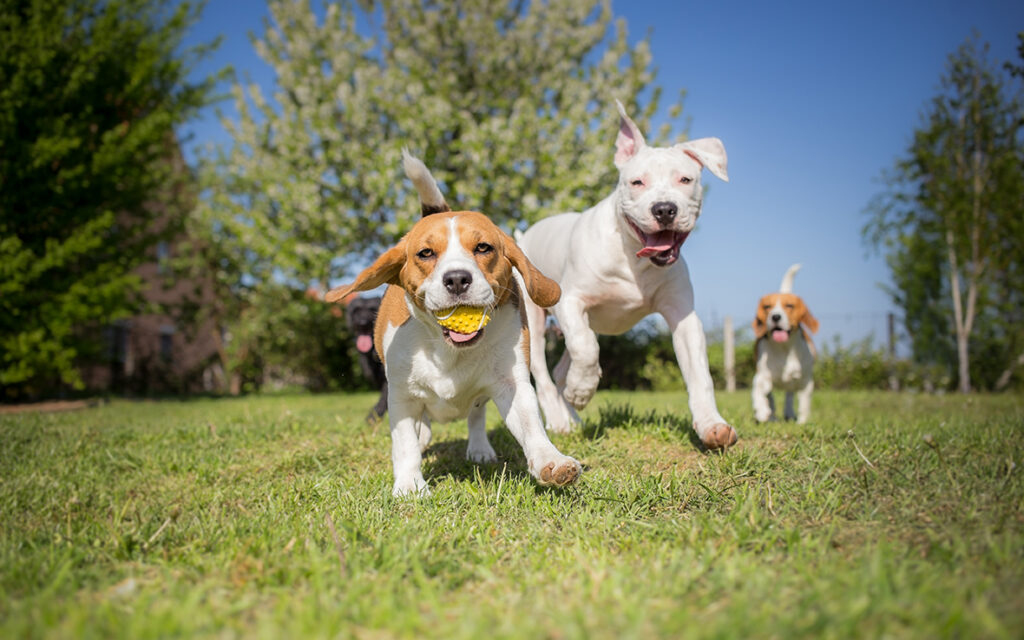
Whether your pup is romping with friends in the backyard or socializing at a busy dog park, a few key precautions can prevent accidents and keep tails wagging. From playing “naked” (without collars or harnesses) to closely reading canine body language, being a proactive pet parent means knowing when to pause the fun before things escalate. Here’s how to make every playdate a safe and joyful one for your furry friend.
Tips for Safe Play
Play Naked!
Remove your dog’s collar or harness. A harness may not present the same choking hazard as a collar, but a harness has many more straps to get caught in.
Use a Collar With a Quick-Release Buckle.
If you’re nervous about having your dog naked, use a collar with a buckle that can be released even under tension. Another option is a safety breakaway collar.
Don’t Allow Your Dog to Play With Dogs Who Are Wearing Gear.
At times, this may mean your dog won’t be able to play at a dog park because it’s nearly impossible to get everyone to comply with sensible rules. If I had a young dog who really liked wrestling and mouthing other dogs, I wouldn’t take him to a dog park that was crowded with collar – and harness-wearing dogs.
When to Pause Dog Play
If a dog is showing scared or very submissive body language.
You may notice that a dog keeps trying to get away from another dog. That’s usually a good cue to step in and pause play. A tucked tail and flattened ears are also signs that a dog is not enjoying play.
Tense body language is another indication that play needs to be paused.
If a dog becomes overly focused and has tense movements, a closed mouth, a tall body posture, or if they stand over top of the other dog, it’s a good idea to pause play.
Not listening to the other dog.
If a dog gives a correction to say stop and the other dog ignores the correction and keeps going back, it’s time to step in and pause play. If left too long, the dog trying to get away may lash out at the other one.
Play naked, watch body language, know when to stop and spread the word.
Many people have never considered these potential hazards and may be open to hearing about how they can prevent a tragedy from happening to their dogs.
By staying alert and making thoughtful choices during your dog’s playtime, you’re not only preventing accidents but also fostering healthy social skills and trust between dogs. Whether it’s choosing safer environments, understanding canine signals, or taking the lead in pausing play when necessary, these small actions have a big impact. Play should be fun—but it should also be safe. With a little awareness and intention, every playtime can be a joyful and secure experience for your furry friend.
Subtle Stress Signals
Always consider the context when evaluating your dog’s stress level and assess whether you see other stress-related signs associated with the behaviours.
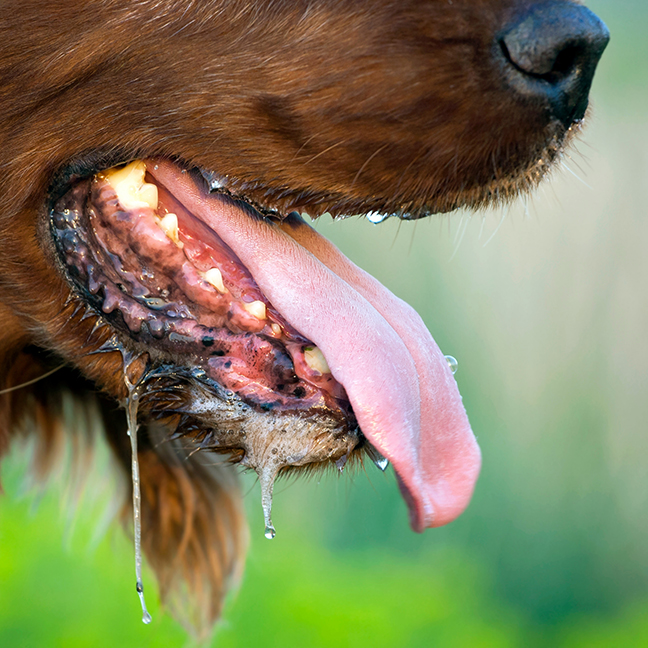
Panting
If a dog is panting especially in combination with drooling, it can be a sign of stress.
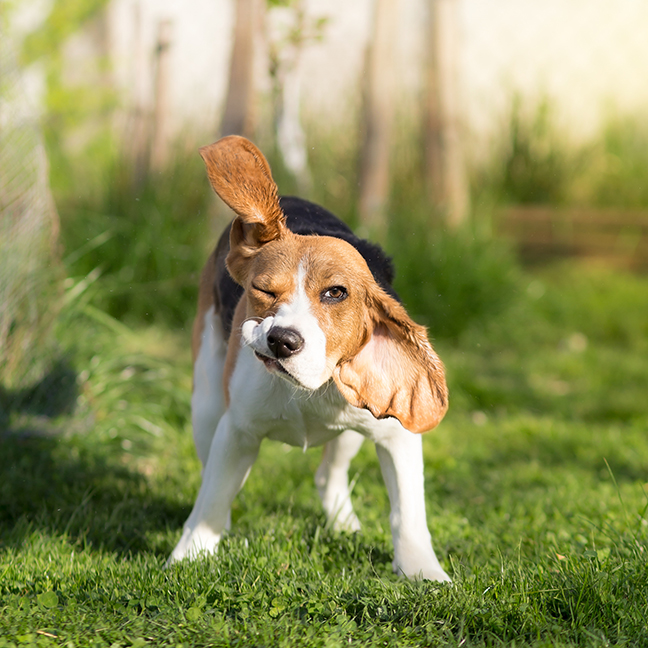
Shaking Off
Similar to when a dog gets out of water, when associated with anxiety, shaking off can be a sign of stress. This is like a human shrugging their shoulders to release tension.
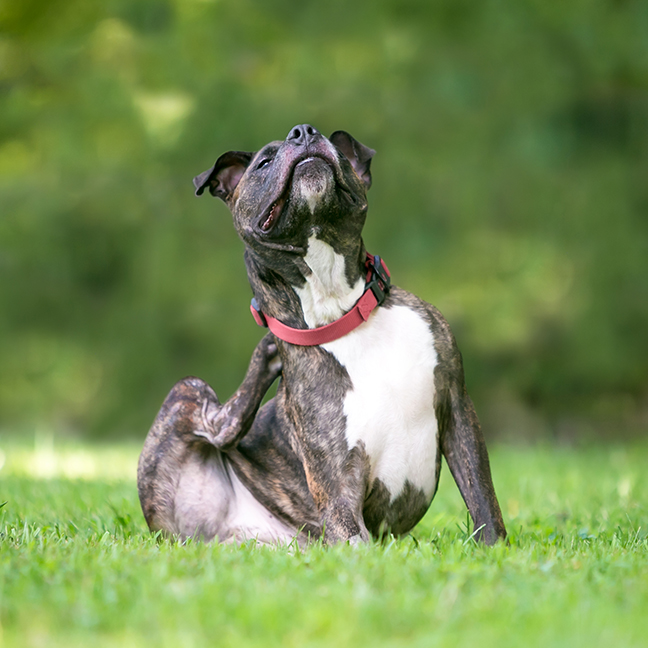
Scratching
When a dog scratches or starts licking itself, it could be a displacement behaviour. Assess the situation, your dog could just be itchy or have allergies.
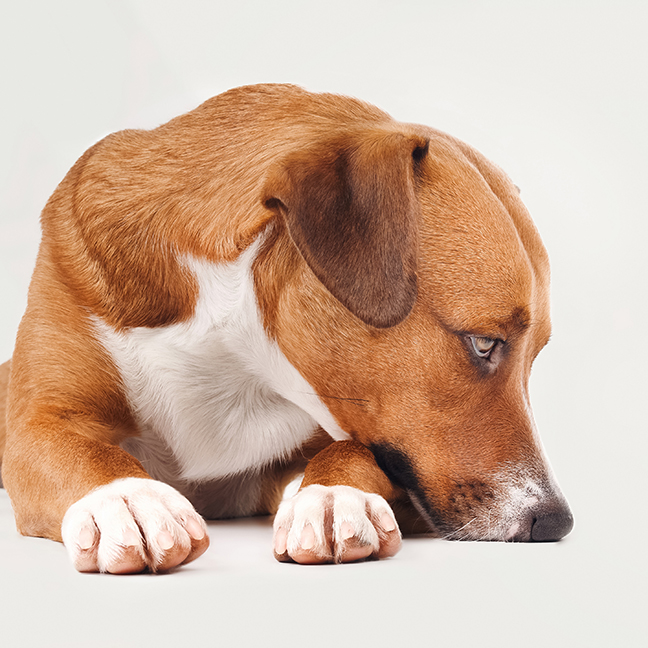
Sniffing
Sniffing is an instinct, but sniffing can also be a displacement behaviour and a sign your dog is feeling unsure.
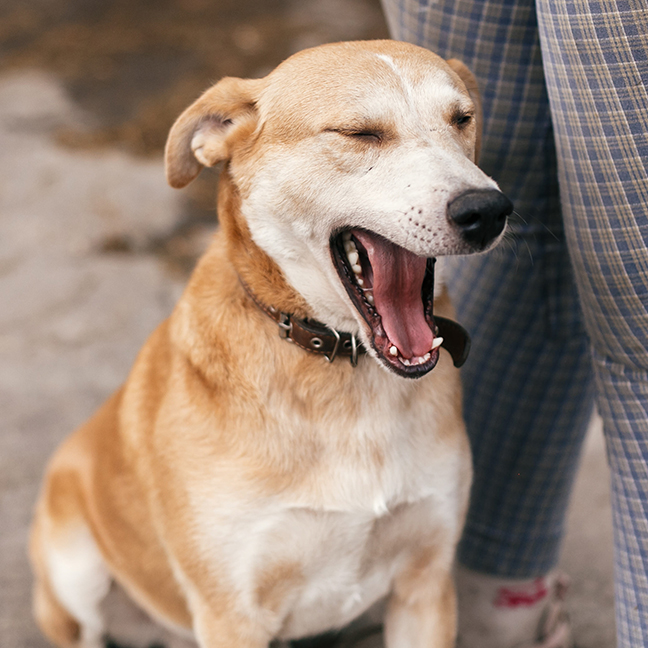
Yawning
A yawn at times of anxiety is known as a stress yawn. Yawning can also be a calming signal, a sign that your dog is trying to calm itself or you down.
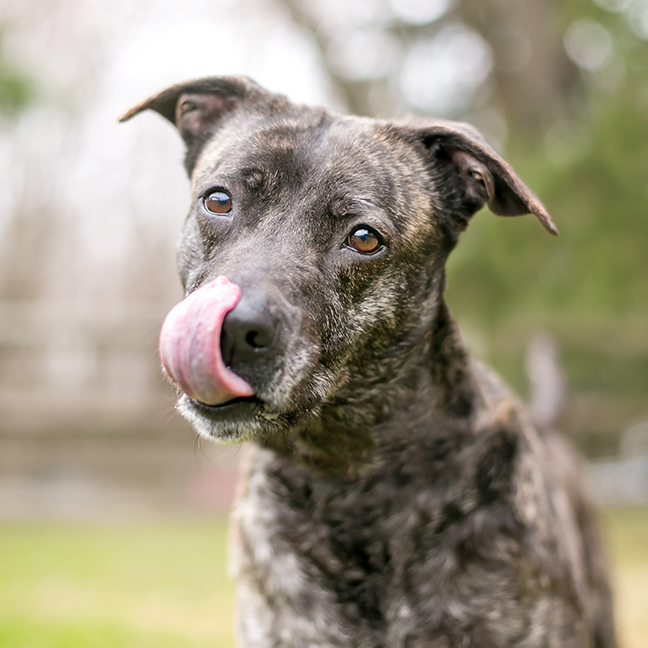
Lip Licking
A dog darting their tongue in and out, especially if it curls up to their nose, can be a sign of stress.


 to closely reading canine body language, being a proactive pet parent means knowing when to pause the fun before things escalate.)