
PAWSitive Beginnings
The Role of Socialization in Puppy Development
Part one of a multi-part series.
The definition of Socialization the American Veterinary Medical Association gives is “the process of preparing a dog to enjoy interactions and be comfortable with other animals, people, places and activities.”
To expand on this definition, socialization is about exposure to common sights, sounds, textures, environments and interactions, leading to a puppy’s understanding and experiences in the world.
In this multi-part series, I’ll dive deeper into the pieces of socialization and how they impact dogs and homes over lifetimes.
In this segment, we’ll look at many of the factors that contribute to the socialization of dogs BEFORE they go to a new home.
Socialization is about exposure to common sights, sounds, textures, environments and interactions, leading to a puppy’s understanding and experiences in the world.

Genetics
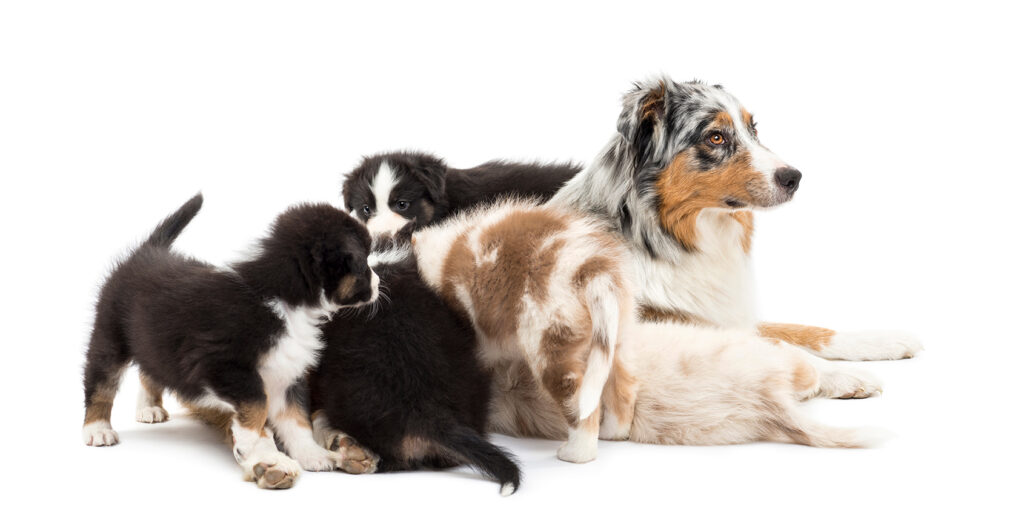
As early as three weeks, puppies are starting their socialization with their mother, sibling and caregivers. Before humans get directly involved in puppy handling, we have to consider the very important role of genetics in the socialization process.
While there can certainly be variation, by and large, puppies will be similar to one or both of their parents. If parents are calmer adult dogs who welcome new people into their homes with open arms, chances are strong that most of their offspring will be the same. If parents have dog aggression, are highly protective of their yards and/or have a deep need to chase birds -chances are offspring will inherit those traits too. Whether purebred or mixed breed, traits -good and bad- are passed down with a high degree of regularity. These temperament traits are often what define breeds. Beagles often get carried away by their noses, herding dogs want to control movement and huskies want to run and run and run.
In cases of mixed breeds where parent dogs may be very different, puppies can grab any combination of traits their parents have. If you think of how different siblings can look from each other in some litters, the same is true in their temperaments!
No matter how good your socialization practices are, it’s near impossible to turn a husky mix into a border collie -or vice versa. You can certainly help shape puppies as nature and nurture work together, but at the end of the day, there is a lot out of your control.
For anyone going to meet puppies in person, whether from a breeder or rescue, look heavily at the parents, especially the mother dog who has been raising the puppies. Is mom hyperactive? Friendly to visitors? Barking or protective? Mom is your biggest genetic window. There’s a strong chance puppies will be A LOT like mom. If mom is not in the picture, you will be taking a bigger gamble on what behaviours may be in your new puppy. This isn’t to say rescue puppies are poor choices for families -there are lots of lovely rescue dogs and I share my life with the most happy puppy mill rescue in existence-, only that homes adopting these puppies should be prepared for a wide variety of behaviour in their adult dog.
Environment
The next part of the picture will be the Environment. Do the puppies get lots of early exposure to people? Other dogs? Noises? Indoor environments? Outdoor environments? While no breeder or foster can cover every conceivable basis, puppies raised with a wide variety of experiences and interactions in their early weeks are much more likely to take those experiences in as normal occurrences and not as likely to be fearful of similar circumstances down the road.
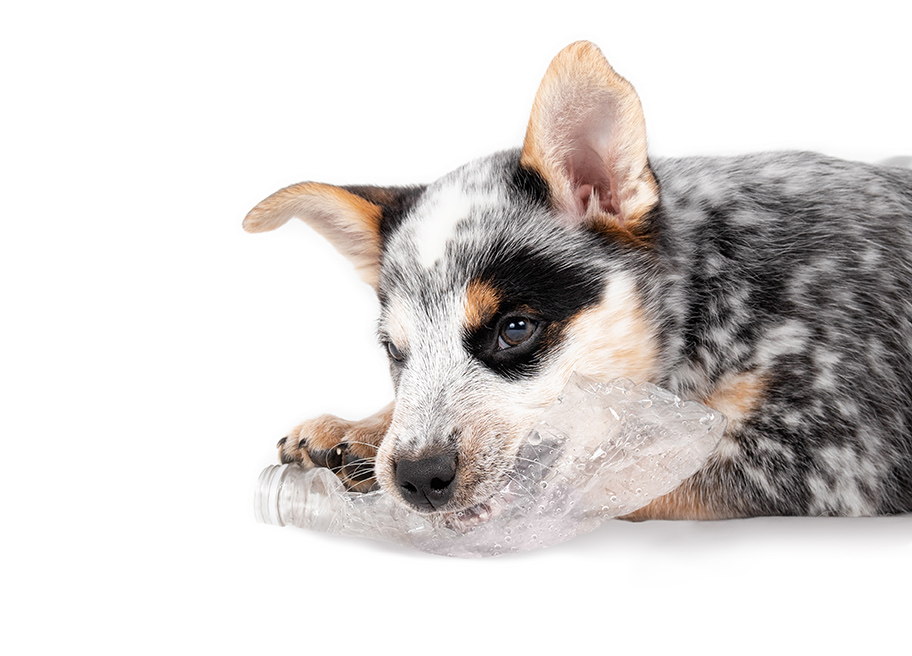
When we look at puppies, their parents and their environments, we should see that side by side with our current environment, and how a puppy will fit into it. Farm dogs who rarely leave the farm may show desirable behaviour in their environments, but we don’t know how they would deal with city life, or how they might fare as mostly indoor dogs with outlets. They might do just fine! You might need to up their early socialization in key areas to bridge the gap. Or they may struggle outside of the type of environment their parents and close family members succeed in.
In one example close to me, in looking for my Labrador, where many working lines are predominately kennel/work dogs and not primarily indoor family companions, it was important for me to find parents who lived easily in the house. I chose a very small breeder, with fewer titles and accomplishments behind them, but where the dogs lived easily in the house while playing hard in the field. She fit into our home seamlessly.
By choosing parents that show desirable behaviour and are also living well in an environment similar to your own, you hedge your bets that puppies will exhibit behaviours that work with your home and lifestyle. That’s not to say other puppies wouldn’t work out just fine, you’re just working with far less information. Wonderful dogs can come from anywhere, but the more moving pieces in your life, the easier it is to stack the odds in your favour.
If you have kids, seek out a puppy from a breeder or foster home with kids or heavy exposure to kids. If you have cats, you can stack the odds in your favour by finding a puppy that is already in a home with a cat. By choosing our dogs carefully, we end up with fewer dogs surrendered to shelters or rescues, happier families and human-dog bonds that are better matched.
Our next segment will look at bridging the socialization from breeder or rescue into the home.


